

The commercial landscape in Western Australia is undergoing a significant transformation as we move into 2026. Businesses are no longer viewing the office as a mere physical location for daily tasks. Instead, the modern workplace serves as a strategic tool for talent attraction and cultural reinforcement. A well-executed office fit out perth now focuses on creating an ecosystem that supports diverse work styles and employee wellbeing.
Perth’s unique geographical position and climate heavily influence these emerging design directions. Companies are moving away from rigid, hierarchical layouts toward more fluid and human-centric environments. This shift reflects a broader global movement toward flexibility and purpose-driven design. Modern offices must provide a compelling reason for employees to commute in a hybrid world.
Strategic investments in workplace aesthetics and functionality yield measurable returns for local enterprises. High-quality environments improve staff retention rates and foster higher levels of daily engagement. As we explore the top trends for 2026, it becomes clear that adaptability is the most valuable currency in design. Professional planners are now integrating sophisticated technology with organic elements to achieve a perfect balance.
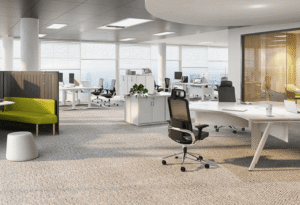
Why Biophilic Design is Essential for a 2026 Office Fit Out Perth?
Biophilic design remains a dominant force in the Western Australian commercial sector. This approach integrates natural elements into the built environment to satisfy the human need for nature. In 2026, this goes beyond simply placing a few plants in the corner of a room. Comprehensive biophilic integration can improve cognitive function by up to 15% in professional settings.
Natural light is a primary component of this trend in Perth’s sun-drenched climate. Large-scale window installations and internal glass partitions allow sunlight to penetrate deep into the floor plate. This reduces the need for artificial lighting and supports the natural circadian rhythms of the workforce. Maximizing daylight is a proven method to reduce employee fatigue and enhance overall mood.
Vertical gardens and living walls are becoming standard features in premium Perth lobbies. These installations act as natural air filters, removing volatile organic compounds from the indoor atmosphere. They also provide significant acoustic benefits by absorbing ambient noise in open-plan areas. Using diverse plant species creates a vibrant, ever-changing visual landscape that reduces mental stress.
| Biophilic Element | Functional Benefit | Impact on Wellbeing |
| Indoor Greenery | Natural air purification and CO2 reduction | Lower stress levels |
| Direct Sunlight | Reduced energy consumption for lighting | Better sleep patterns |
| Natural Textures | Enhanced tactile experience and warmth | Increased comfort |
| Water Features | Acoustic masking of background noise | Calming atmosphere |
The use of natural materials like local timber and stone is also on the rise. These materials provide a sense of place and connect the office to the surrounding WA landscape. Tactile surfaces help break the monotony of digital screens and cold metal furniture. Incorporating organic textures makes the office feel more like a destination than a sterile workstation.
Key Elements of a High-Performance Office Fit Out Perth
Creating a high-performance workspace requires a deep understanding of how people interact with their surroundings. In 2026, the focus has shifted toward “activity-based working” models. This means providing specific zones tailored to different tasks throughout the workday. A successful office fit out perth must offer a variety of settings ranging from high-energy social hubs to silent libraries.
Dynamic Zoning and Modular Furniture
Flexibility is the cornerstone of modern furniture selection for Perth businesses. Modular desks and moveable partitions allow teams to reconfigure their space within minutes. This adaptability is crucial for startups and growing firms that anticipate rapid changes in team size. Investment in modular systems ensures the office remains functional as the business evolves.
Advanced Acoustic Solutions for Focus
Open-plan layouts often suffer from excessive noise pollution, which hinders deep work. To combat this, designers are implementing sophisticated acoustic treatments. Acoustic ceiling baffles and wall panels are now available in artistic designs that enhance the room’s look. Dedicated “quiet pods” provide essential sanctuary for private calls and high-concentration tasks.
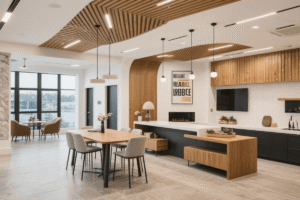
The Rise of Resimercial Design
The “resimercial” trend blends residential comfort with commercial durability. This involves using comfortable lounge seating, warm lighting, and rugs in breakout areas. The goal is to make the office feel welcoming and less formal than traditional corporate environments. Comfortable employees are typically more creative and willing to collaborate spontaneously.
| Workspace Zone | Primary Purpose | Recommended Features |
| Focus Zone | Deep concentration and solo tasks | Soundproofing and task lighting |
| Collaboration Hub | Team meetings and brainstorming | Whiteboards and flexible seating |
| Social Kitchen | Informal networking and breaks | Coffee stations and communal tables |
| Wellness Room | Relaxation and mental recharge | Soft seating and dimmable lights |
How Sustainable Materials Enhance Long-Term Asset Value?
Sustainability is no longer an optional “extra” in the Perth commercial market. In 2026, environmental responsibility is a core requirement for shareholders and employees alike. Many organizations are now targeting carbon-neutral operations. Selecting sustainable materials for an office fit out perth significantly reduces the lifecycle carbon footprint of the building.
Recycled and upcycled materials are finding their way into high-end boardrooms. Reclaimed timber from old WA jetties or warehouses adds unique character and history to a space. Using these materials prevents waste from entering landfills and reduces the demand for virgin resources. Sustainable design choices demonstrate a company’s commitment to the local Western Australian environment.
Low-emission materials are vital for maintaining high indoor air quality. This includes using paints, adhesives, and carpets that do not off-gas harmful chemicals. Improved air quality has been linked to a 30% reduction in respiratory-related illness among office workers. Healthy offices lead to fewer sick days and a more resilient workforce.
Energy efficiency is a major driver of cost savings in 2026. Smart glass technology can now adjust its tint based on the intensity of the sun. This keeps the office cool during Perth’s hot summers without overworking the HVAC system. Integrating energy-saving technologies can lower operational costs by 20% to 40% annually.
Water-wise fixtures are also a priority for local renovations. Low-flow taps and water-efficient appliances help conserve Western Australia’s precious water resources. These small changes contribute to a higher overall Green Star or NABERS rating for the property. A sustainable office is often more attractive to high-value tenants and investors.
Waste management during the construction phase is another critical area. Leading fit-out partners now ensure that a high percentage of demolition waste is sorted and recycled. This transparent approach to construction helps businesses meet their Corporate Social Responsibility (CSR) targets. Sustainable practices ensure the office remains relevant and compliant with future environmental regulations.
Integrating Smart Technology into Your Perth Office
Technology in 2026 is becoming increasingly invisible yet more powerful than ever. The Internet of Things (IoT) allows various office systems to communicate with each other seamlessly. This connectivity creates a “frictionless” experience for employees as they move through the building. A tech-enabled office fit out perth is essential for supporting a modern, mobile workforce.
Occupancy sensors provide real-time data on how the office is actually being used. This information allows management to make data-driven decisions about future space requirements. For example, if data shows that large boardrooms are rarely full, they can be converted into several smaller huddle spaces. Optimizing space utilization can save companies thousands of dollars in unnecessary rent.
Smart lighting systems now sync with the human body’s natural clock. These systems transition from cool, bright light in the morning to warmer, softer tones in the afternoon. This supports the production of melatonin and helps employees maintain better energy levels throughout the day. Circadian lighting is a key trend for businesses prioritizing employee health and sleep quality.
Contactless technology has become a standard feature for office security and hygiene. Employees use smartphone apps or facial recognition to enter the building and operate elevators. This reduces the number of high-touch surfaces and streamlines the entry process for visitors. Seamless digital access improves the daily experience for both staff and clients.
Hybrid meeting rooms are equipped with AI-driven cameras and spatial audio. These tools ensure that remote participants feel as if they are sitting in the same room as their colleagues. Clear, lag-free communication is vital for maintaining team cohesion in 2026. High-speed fiber connectivity must be available in every corner of the office to support these bandwidth-heavy applications.
Automated climate control systems learn the preferences of the occupants over time. Some offices now allow individuals to set their own “micro-climates” at their workstations. This personalized approach to comfort reduces complaints and improves overall workplace satisfaction. Technology is the bridge that connects the physical workspace with the digital needs of the modern professional.
How to Evaluate the Right Partner for Your Office Transformation?
Choosing the right specialist to manage your project is a critical decision that impacts your business for years. A successful transformation requires a partner who understands the intersection of design, technology, and human behavior. You should look for a firm that offers a comprehensive “turnkey” solution to minimize stress. Selecting an experienced partner for your office fit out perth ensures the project stays on schedule and within budget.
Before engaging a firm, review their portfolio specifically for 2026-ready designs. Observe how they handle complex challenges like acoustic privacy and sustainable sourcing. It is also important to verify their understanding of the local Perth building codes and safety regulations. A reliable partner will provide transparent communication and detailed project timelines from the start.
Determine if the design team listens to your specific cultural requirements. No two businesses are the same, and your office should reflect your unique brand identity. Ask potential partners about their methodology for workplace strategy and employee engagement. The best designs are born from a deep collaboration between the business owners and the design experts.
Consider the long-term support offered by the fit-out specialist. Do they provide post-occupancy evaluations to ensure the space is performing as intended? A high-quality partner like Aura Office Environments will guide you through every stage, from initial concept to the final move-in day. They help you navigate the complexities of material selection and technology integration with ease.
Finally, look for a partner who prioritizes future-proofing. The office you build today should be able to adapt to the needs of 2026 and beyond. This involves choosing durable materials and flexible infrastructure that can be easily upgraded. A forward-thinking design partner will help you create a workspace that is both an inspiring environment and a sound financial investment.
Summary
Modern office design in Perth has shifted toward human-centric, sustainable, and highly flexible environments. By 2026, the most successful workplaces will be those that integrate biophilic elements with advanced smart technology. A strategic office fit out perth transforms a traditional workspace into a dynamic hub that enhances employee wellbeing and drives long-term business growth through superior design.
FAQ
1. What are the primary factors influencing the cost of an office fit out perth?
The cost is primarily driven by the complexity of the design, the quality of materials selected, and the level of technology integration required. Premium finishes and bespoke furniture will increase the budget, while standard modular solutions can be more cost-effective.
2. How can I ensure my new office design is future-proofed for the next decade?
You can future-proof your office by investing in modular furniture systems and a robust digital infrastructure. Choosing flexible layouts that can be easily reconfigured allows your workspace to evolve alongside your business needs without requiring another full renovation.
3. Does biophilic design really have a significant impact on employee productivity?
Yes, multiple studies have shown that incorporating natural light and greenery can increase productivity by approximately 15%. These elements reduce stress and mental fatigue, allowing employees to remain focused and creative throughout the working day.
4. What is the typical timeframe for a commercial office renovation in Perth?
A standard office renovation generally takes between 8 and 14 weeks from the initial design phase to completion. This timeline can vary based on the size of the floor plate, the availability of specialized materials, and any required structural modifications.
5. Are there specific sustainability ratings I should aim for in my Perth office?
Many businesses in 2026 aim for high NABERS or Green Star ratings to demonstrate their environmental commitment. These ratings provide a clear framework for measuring energy efficiency, water usage, and the overall environmental impact of your office interior.
Reference Sources
Property Council of Australia: Commercial Office Market Insights
Green Building Council of Australia: Green Star Interior Certification
Australian Institute of Architects: Commercial Design Trends
Aura Office Environments: Modern Workspace Strategy and Design