

In the competitive Western Australian market, a commercial asset’s physical state directly correlates with its yield and operational efficiency. For facility managers and property developers, commercial refurbishment in Perth is a strategic move to future-proof buildings against the updated NCC 2022 standards and increasing tenant expectations. However, budgeting for a refurbishment in the WA landscape requires a granular understanding of local labor shortages, material lead times, and structural compliance.
Refurbishment is not merely an aesthetic update; it is a life-cycle extension of an industrial or corporate asset. Whether you are repurposing a warehouse in Canning Vale or upgrading an office in West Perth, the cost structure is dictated by the existing building fabric and the intended end-use technical specifications.
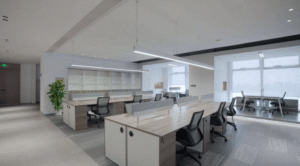
What Factors Drive Commercial Refurbishment Costs in Perth?
The Western Australian construction environment presents unique cost drivers that differ significantly from the eastern states. When requesting a quote for commercial refurbishment in Perth, stakeholders must account for the following technical variables:
Structural Integrity and Soil Profile
Perth’s sandy soil and limestone sub-surfaces often simplify foundation work, but legacy buildings in the CBD or coastal areas may require significant remediation. If the refurbishment involves removing load-bearing walls or adding mezzanine levels, structural engineering and specialized steel fabrication will represent a primary cost pillar.
Compliance and WA Building Standards
Upgrading a commercial space often triggers a mandatory requirement to meet current Building Code of Australia (BCA) and Disability Access (AS 1428.1) standards. In Perth, navigating the Department of Mines, Industry Regulation and Safety (DMIRS) regulations adds a layer of administrative and technical cost to ensure the “Certificate of Design Compliance” is issued without delay.
Integrated Building Services (HVAC and Electrical)
Modern energy efficiency requirements (Section J of the NCC) demand higher-performing HVAC systems and LED lighting arrays. For industrial refurbishments, the integration of 3-phase power or specialized fire suppression systems is a significant technical expense that directly impacts the total project budget.
Square Metre Rates for Perth Commercial Refurbishments
While every project is bespoke, industry benchmarks provide a starting point for feasibility studies. In the current Perth market, refurbishment costs are generally categorized by the “depth” of the intervention.
| Refurbishment Tier | Estimated Cost (per sqm) | Scope of Work |
| Light Refresh | $800 – $1,500 | Cosmetic finishes, new flooring, lighting upgrades, and minor joinery. |
| Mid-Range Refurb | $1,500 – $2,800 | Internal re-partitioning, HVAC upgrades, and medium-scale structural changes. |
| Deep/Structural Refurb | $3,000 – $5,500+ | Full building envelope renewal, structural reinforcement, and complete services overhaul. |
Note: These ranges are indicative of the Perth metropolitan area and are subject to trade availability and material price fluctuations.
Technical Logistics of a Perth Commercial Project
Executing a commercial refurbishment in Perth requires a high-end management model to mitigate “hidden” costs. For high-stakes B2B projects, the “lowest quote” often leads to the highest total cost of ownership due to sampling delays or non-compliant workmanship.
Strategic procurement managers look for builders who possess:
-
Tier 1 Trade Relationships: Access to reliable Perth-based sub-contractors (electricians, plumbers, glaziers) who understand local site conditions.
-
Bespoke Customization: The ability to execute non-standard architectural details that differentiate a brand, a core competency found at specialized firms like Benebuild.
-
Sequential Project Management: Minimizing downtime through a “live environment” refurb logic, allowing businesses to stay operational during construction phases.
For high-end residential and commercial integration, Benebuild’s approach emphasizes structural integrity and custom finishes, ensuring that the refurbishment adds tangible capital value to the asset rather than just a temporary visual fix.
Hidden Costs in the WA Commercial Landscape
In Western Australia, environmental and logistical factors often introduce “unforeseen” expenses into a refurbishment budget.
Heritage Overlays
Many commercial assets in Perth, particularly in areas like Fremantle or the CBD, are subject to heritage listing. Refurbishing these requires specialized trades and materials that match original specifications, often increasing the labor component of the budget by 20–30%.
Coastal Corrosion Resistance
For assets located within 5km of the Indian Ocean, material specifications must change. Utilizing marine-grade stainless steel, specialized coatings for HVAC condensers, and UV-stabilized external cladding is essential to prevent premature degradation, though it carries a premium upfront cost.
Demolition and Hazardous Waste
Refurbishing buildings constructed before 1990 in WA carries a high probability of encountering asbestos or lead-based paints. Safe removal and disposal at licensed Perth waste facilities are non-negotiable costs that must be factored into the initial feasibility phase.
Maximizing ROI Through Strategic Refurbishment
The commercial justification for a refurbishment is centered on the “Return on Investment.” By investing in high-quality materials and technical compliance, Perth business owners can achieve:
-
Premium Lease Rates: High-spec refurbishments attract Grade-A tenants who are willing to pay for better air quality, aesthetics, and amenities.
-
Operational Savings: Upgrading to smart building systems and high-R-value insulation can reduce utility costs by up to 40% per annum.
-
ESG Compliance: Meeting environmental standards is increasingly a requirement for institutional investors and global corporate tenants.
When planning your next project, engaging a builder like Benebuild early in the design phase allows for “Value Engineering.” This involves identifying more cost-effective ways to achieve the architectural intent without sacrificing the structural durability or the premium feel of the finished space.
FAQ
How long does a typical commercial refurbishment take in Perth?
A standard office refurbishment (500 sqm) typically takes 8 to 12 weeks. However, deeper refurbishments involving structural changes or local council Development Approval (DA) can span 6 to 12 months.
Do I need a Building Permit for an internal refurbishment?
Yes. In Western Australia, most commercial refurbishments require a Building Permit from the local permit authority (Council). You will also need a Certificate of Design Compliance (CDC) from a registered building surveyor.
What is the difference between a fit-out and a refurbishment?
A fit-out usually refers to the installation of interior partitions, desks, and finishes for a specific tenant. A refurbishment is a broader scope that addresses the building’s structural health, services, and envelope to improve the asset’s overall value.
Can I remain in the building during the refurbishment?
“Live environment” refurbishments are possible but require a phased approach. This often increases the project duration and cost due to specialized safety hoarding and after-hours labor requirements.
Reference Sources
-
Master Builders Western Australia (MBA WA): Guidelines on commercial construction costs and trade standards.
-
Building Act 2011 (WA): Regulatory framework for building permits and compliance in Western Australia.
-
National Construction Code (NCC) 2022: Latest standards for energy efficiency and structural safety in Australia.
-
Property Council of Australia (WA): Reports on Perth commercial market trends and asset repositioning strategies.
-
Australian Standards (AS 1428.1): Design for access and mobility requirements.