

A commercial builder in Perth handles the planning, compliance, and physical execution of non-residential properties across Western Australia. Unlike residential construction, commercial projects require specialized engineering and strict adherence to the National Construction Code (NCC).
Evaluating a commercial builder requires looking beyond the initial quote. Project success depends on their sub-contractor network, local regulatory knowledge, and project management frameworks.
Whether you are planning a tilt-up concrete warehouse in Welshpool or a multi-story office fit-out in the CBD, understanding the delivery models is critical. This guide breaks down exact services, realistic cost drivers, and procurement methods for Western Australian commercial projects.
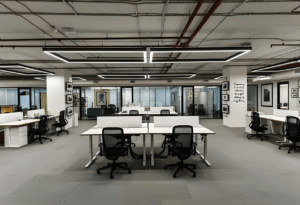
What Services Does a Commercial Builder in Perth Provide?
Commercial construction is rarely just about physical building. A reputable commercial builder in Perth operates as a comprehensive project manager. They bridge the gap between architectural design and structural reality.
Their core services typically fall into three distinct phases:
1. Pre-Construction and Feasibility
Before breaking ground, builders assess site viability. This involves reviewing geotechnical reports, identifying underground services, and conducting value engineering. Value engineering optimizes the design to reduce material costs without sacrificing structural integrity.
2. Approvals and Compliance Management
Building in WA requires navigating multiple regulatory bodies. The builder coordinates Development Approvals (DA) and Building Permits through local councils. They also ensure compliance with the Department of Fire and Emergency Services (DFES) and local health departments.
3. Construction and Site Management
This is the physical execution phase. The builder manages procurement, schedules trades, and enforces Occupational Health and Safety (OHS) standards. Strict site management minimizes downtime and keeps the project within the agreed timeline.
Key Types of Commercial Construction Projects
Different asset classes require entirely different manufacturing and construction logic. A builder specializing in heavy industrial facilities may not be suited for detailed healthcare fit-outs.
Common project types include:
-
Industrial and Warehousing: These projects prioritize clear-span spaces and heavy-duty floor slabs. Tilt-up concrete construction is the dominant method in Perth due to its speed and durability.
-
Retail and Hospitality: These builds require high-end aesthetic finishes and complex mechanical, electrical, and plumbing (MEP) integration. Soundproofing and grease trap installations are common technical requirements.
-
Office Buildings: Multistory office projects focus on structural steel, curtain wall glazing, and efficient HVAC systems. Builders must often manage phased construction to accommodate existing tenants.
-
Medical and Healthcare: These are highly regulated environments. Builders must follow strict standards for infection control, radiation shielding (for X-ray rooms), and medical gas piping.
Commercial Building Costs in Perth: Real-World Drivers
Cost estimation in commercial construction is complex. Broad square-meter rates only provide a baseline. Final pricing depends heavily on the chosen procurement route and current supply chain conditions.
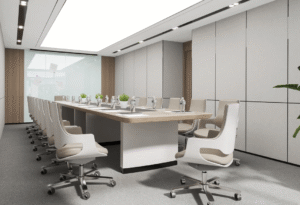
Estimated Cost Per Square Meter (2026 Averages)
| Project Type | Base Build Estimate (per sqm) | High-End/Specialized (per sqm) |
| Industrial / Warehouse | $1,200 – $1,600 | $1,800 – $2,200 |
| Retail (Shell only) | $1,800 – $2,400 | $2,800 – $3,500 |
| Standard Office Build | $2,500 – $3,200 | $3,800 – $4,500+ |
| Medical / Clinic | $3,500 – $4,200 | $5,000 – $7,000+ |
Note: These figures exclude land acquisition, soft costs (architectural fees), and heavy specialized equipment.
Key Cost Drivers in Western Australia
Several local factors influence these baseline rates.
Labor Market Competition
The WA construction sector frequently competes with the mining industry for skilled trades. Scarcity in trades like commercial plumbing or structural welding can increase labor rates and extend lead times.
Material Logistics
Perth is geographically isolated. High-volume materials like structural steel or specialized glass often incur higher freight costs. Builders with strong local supplier agreements can mitigate these logistics expenses.
Site Conditions and Access
A flat, clear block in an industrial estate is cheap to prep. Conversely, building in a congested urban area requires traffic management, restricted delivery windows, and complex foundation work.
Design and Construct (D&C) vs. Construct-Only
Choosing how to engage a commercial builder in Perth impacts your financial risk. There are two primary procurement frameworks used in the B2B sector.
Design and Construct (D&C)
In a D&C contract, the builder manages both the architectural design and the physical construction. You sign a single contract. The builder assumes the risk for design flaws and budget overruns. This method accelerates timelines because early works can begin while final designs are completed.
Construct-Only (Traditional)
Here, you hire an architect and engineer to complete the design first. You then put that completed design out to tender. The builder is only responsible for building exactly what is on the plans. If the architect made a structural error, you bear the financial risk of the variation.
For most medium-to-large commercial builds, D&C is preferred. It consolidates liability and allows the builder to apply value engineering during the design phase.
How to Evaluate Perth Commercial Building Contractors
Selecting a vendor requires strict due diligence. Look beyond marketing brochures and examine their operational capacity.
-
Verify Registration: Ensure the company holds a valid builder’s registration with the Building Services Board of Western Australia.
-
Check Financial Capacity: Commercial builds require massive cash flow. Ask for proof of financial stability to ensure they can pay sub-contractors on time.
-
Review Relevant Portfolios: If you are building a cold-storage facility, ask to see previous cold-storage projects. Generic construction experience does not translate to specialized thermal insulation requirements.
-
Safety Credentials: Request their Lost Time Injury Frequency Rate (LTIFR). A high rate indicates poor site management, which leads to project delays and potential liability.
FAQ
How long does a commercial build take in Perth?
Timelines depend entirely on scale. A standard tilt-up warehouse may take 6 to 9 months from council approval. A multi-level office complex often requires 18 to 24 months. Weather delays and material lead times must be factored into the initial schedule.
What is the National Construction Code (NCC)?
The NCC provides the minimum necessary requirements for safety, health, amenity, and sustainability in Australian buildings. Any commercial builder perth clients hire must ensure total compliance with these technical provisions.
Do I need a Development Approval (DA) before hiring a builder?
Not necessarily. If you use a Design and Construct (D&C) model, the builder manages the DA process for you. If using a Construct-Only model, you must secure the DA through your architect before tendering the project.
Why are commercial builders more expensive than residential builders?
Commercial properties require higher load-bearing structures, advanced fire suppression systems, and heavy-duty MEP installations. The compliance standards and engineering tolerances are significantly stricter than in residential housing.
Reference Sources
-
Master Builders Association of Western Australia (MBA WA) – Commercial Sector Guidelines and Standard Contracts.
-
Department of Energy, Mines, Industry Regulation and Safety (DEMIRS) WA – Building and Energy Division, Practitioner Registration Standards.
-
Australian Building Codes Board (ABCB) – National Construction Code (NCC) Volume One: Commercial Buildings.
-
Western Australian Planning Commission (WAPC) – State Planning Policies for Commercial and Industrial Zones.