

Navigating the landscape of commercial construction Perth WA requires a deep understanding of local market dynamics and regulatory frameworks. Western Australia’s unique climate and economic conditions demand a specific approach to structural integrity and project management. Investors must balance aesthetic appeal with long-term operational efficiency to remain competitive.
Successful projects begin with comprehensive pre-construction planning and stakeholder alignment. In Perth, the construction sector contributed approximately $24 billion to the state’s economy in recent years. This growth underscores the importance of adhering to high standards during every phase of development.
Efficiency in the Western Australian market relies on integrating modern technology with traditional craftsmanship. By following established best practices, developers can mitigate risks associated with supply chain disruptions and labor shortages. This guide explores the essential components of delivering a high-quality commercial asset in the Perth metropolitan area.
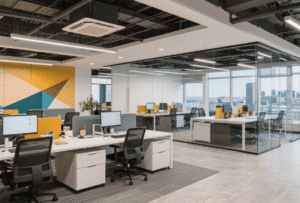
How to Navigate Zoning and Planning Approvals in Perth
Understanding local government requirements is the first step in any commercial construction Perth WA project. The Metropolitan Region Scheme (MRS) dictates how land is utilized across the city and its suburbs. Developers must verify that their proposed site is appropriately zoned for commercial or industrial use before proceeding.
Applying for a Development Approval (DA) involves submitting detailed architectural plans and environmental impact assessments. In Perth, the average processing time for a standard commercial application ranges from 60 to 90 days. Engaging with local councils early in the design phase can significantly reduce the likelihood of costly revisions later.
Understanding Building Permits and Safety Standards
Building permits are mandatory under the Building Act 2011 to ensure safety and structural compliance. These permits verify that the design meets the National Construction Code (NCC) standards. Failure to secure the correct approvals can lead to significant fines and project delays.
| Approval Type | Primary Authority | Typical Duration |
| Development Approval | Local City Council | 2 to 4 Months |
| Building Permit | Registered Building Surveyor | 2 to 4 Weeks |
| Occupancy Permit | DMIRS Western Australia | 1 to 2 Weeks |
Key Success Factors for Commercial Construction Perth WA
Project delivery methods play a vital role in the success of commercial construction Perth WA. Design-and-construct contracts are increasingly popular because they offer a single point of accountability. This model helps in managing the rising costs of raw materials, which saw a 15% increase in certain sectors recently.
Sustainability is no longer optional in the Western Australian commercial sector. Incorporating passive solar design and energy-efficient HVAC systems can reduce long-term operational costs by up to 30%. Many Perth developers now target a 5-star Green Star rating to attract high-quality corporate tenants.
Integration of Technology and Site Communication
Effective communication between the lead contractor and the client ensures that expectations are met. Regular site meetings and digital progress reports help maintain transparency throughout the build. Utilizing Building Information Modeling (BIM) software allows teams to visualize potential clashes before physical work begins on-site.
Strategic Site Selection and Soil Analysis in Western Australia
The geological profile of Perth is predominantly sandy, particularly in the coastal corridors and central districts. This soil type influences the choice of foundation systems and overall structural costs. A detailed geotechnical report is essential to determine the bearing capacity of the ground.
Proximity to transport hubs like the Perth CBD or the Kewdale Freight Precinct adds significant value. Access to major arterial roads such as the Kwinana Freeway or Tonkin Highway ensures logistical efficiency for tenants. Developers should evaluate the existing infrastructure to ensure utility connections are sufficient for commercial loads.
Managing Urban Infill and Environmental Constraints
Urban infill projects are becoming more common as land availability in the city center tightens. These projects often involve working within tight footprints and managing noise for neighboring properties. Proper site management plans are required to comply with local noise and vibration regulations during the construction phase.
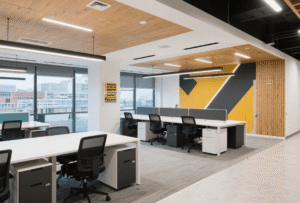
Why Sustainable Design is Essential for WA Businesses
The Western Australian climate features hot, dry summers and significant sun exposure. Commercial buildings must be designed to manage thermal loads efficiently without excessive energy consumption. Using high-performance glazing and integrated shading devices can lower cooling requirements significantly.
Water conservation is another critical factor due to the state’s drying climate trends. Installing greywater recycling systems and low-flow fixtures helps businesses meet environmental targets. Many modern commercial builds in Perth now include rooftop solar arrays to offset rising electricity prices.
Enhancing Occupant Productivity through Modern Design
Occupant well-being is directly linked to natural light and ventilation. Modern offices in Perth are prioritizing “biophilic” design, which integrates greenery and natural materials. These features have been shown to increase worker productivity by nearly 15% in commercial environments.
Criteria for Selecting the Right Construction Partner
Choosing a partner for commercial construction Perth WA involves more than just comparing quotes. A contractor’s safety record is the most important indicator of their operational maturity. Look for companies that hold ISO certifications for quality and safety management systems.
Financial stability is crucial in a market where material prices can fluctuate rapidly. Request financial references or bank guarantees to ensure the builder can sustain the project to completion. A contractor with a strong local network can often secure better pricing from West Australian subcontractors.
Evaluating Portfolio and Local Industry Experience
Past performance in similar sectors, such as retail, medical, or industrial, is highly relevant. Reviewing a portfolio of completed projects in the Perth area provides insight into their finishing quality. Ensure the builder has a clear understanding of the specific local council requirements where your site is located.
Choosing the Right Delivery Model for Your Project
Selecting an appropriate procurement strategy determines how risks are shared between the owner and the builder. For complex commercial construction Perth WA projects, a “Managing Contractor” model might be most effective. This allows for early contractor involvement during the design phase to optimize costs.
For smaller, straightforward builds, a “Lump Sum” contract provides the most price certainty for the client. However, this model requires a very high level of detail in the initial documentation to avoid variations. Understanding your own risk appetite is essential before signing any construction agreement.
Ultimately, the best choice depends on your project timeline and technical complexity. A transparent bidding process ensures that you receive competitive market rates while maintaining quality. Evaluating the contractor’s ability to manage local supply chains is particularly important in Western Australia.
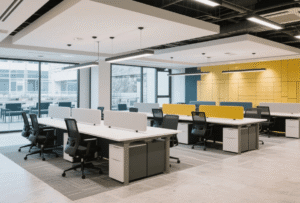
Summary
Successful commercial construction Perth WA relies on meticulous planning, regulatory compliance, and choosing the right local partners. By prioritizing sustainability and selecting strategic locations, developers can create high-value assets. Adhering to these best practices ensures that projects are completed on time, within budget, and to the highest standards.
FAQ
1. What are the current trends in commercial construction Perth WA?
Current trends focus on sustainable “Green Star” buildings and the integration of smart technology for building management. Many new projects also emphasize flexible workspaces to accommodate hybrid working models.
2. How much does commercial construction cost per square meter in Perth?
Costs typically range from $2,000 to $4,500 per square meter depending on the building’s complexity and finishes. High-rise office towers in the CBD usually sit at the higher end of this scale.
3. How long does a typical commercial build take in Perth?
Small to medium commercial projects usually take between 9 and 18 months from breaking ground to completion. Larger developments or those with complex basement excavations may take two years or more.
4. Do I need a special license for commercial construction in Western Australia?
Yes, all commercial builders must be registered with the Building Services Board of Western Australia. This ensures they have the necessary qualifications and insurance to perform commercial works.
Reference Sources
Master Builders Western Australia: Building Industry Standards and Economic Data
Department of Planning, Lands and Heritage: Western Australian Planning Framework
Green Building Council of Australia: Green Star Certification Standards