

Navigating the world of Australian commercial property can be complex for many business owners. When you secure a new space, you must decide how to transform it into a functional workplace. This often leads to a choice between a commercial fit out and a traditional renovation. While people use these terms interchangeably, they represent different construction processes and financial investments. Understanding these nuances ensures your project aligns with your operational goals and local building codes.
A commercial fit out typically refers to the process of making an interior space suitable for occupation. It involves installing partitions, flooring, ceilings, and specialized equipment within an existing structural shell. Conversely, a renovation focuses on refreshing or repairing an already established space to improve its appearance or utility. Both paths aim to enhance business efficiency but require different levels of planning and regulatory oversight.
In the Australian market, the distinction is often tied to the “Base Building” versus “Tenancy” requirements. A commercial fit out starts with a blank canvas, whereas a renovation works with what is already there. Choosing the wrong approach can lead to unexpected costs or delays in your move-in date. This article explores the technical, financial, and practical differences to help you navigate your next office or retail project.
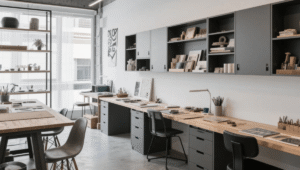
Technical Differences Between a Commercial Fit Out and a Renovation
The primary difference lies in the starting point of the construction project. A commercial fit out usually begins with a “shell and core” or a “warm shell” provided by a landlord. This means the building has a structure, but the interior lacks the specific features needed for a business to operate. Contractors must install everything from electrical wiring to custom workstations and breakout areas.
Renovations, however, focus on altering or restoring an existing interior environment. This might include repainting walls, replacing outdated fixtures, or updating the kitchen area. While a renovation can involve minor structural changes, it rarely reimagines the entire floor plan from scratch. In contrast, a commercial fit out allows for complete spatial optimization tailored to specific workflows.
Design and Engineering Costs
Data from Australian construction benchmarks suggest that commercial fit out projects often involve higher initial design costs. Approximately 10% to 15% of a fit out budget is dedicated to professional design and engineering. Renovations usually spend less on design but may face higher “hidden” costs. These costs arise when contractors discover aging plumbing or faulty wiring behind existing walls during the demolition phase.
| Feature | Commercial Fit Out | Commercial Renovation |
| Starting Point | Empty shell or vacant floor | Existing functional interior |
| Structural Impact | Low to Moderate | Moderate to High |
| Primary Goal | Operational readiness | Aesthetic or functional upgrade |
| Average Timeline | 4 to 12 weeks | 2 to 8 weeks |
| Common Scope | Partitioning, IT, furniture | Surface finishes, repairs |
Why the Scope of a Commercial Fit Out Impacts Your Budget
Budgeting for a commercial fit out requires a deep understanding of your business needs. Since you are building from the ground up, every element is a new expense. According to industry reports, a standard commercial fit out in Australian capital cities can cost between $800 and $1,500 per square metre. High-end finishes or specialized medical facilities can push these figures significantly higher.
A major factor in these costs is the installation of Category B elements. These include private offices, reception desks, and bespoke branding elements that define your company culture. Because these are new installations, they often come with manufacturer warranties and meet the latest energy efficiency standards. This can lead to lower long-term operational costs compared to maintaining older renovated systems.
Compliance with Australian Building Standards
Renovations are often viewed as a cost-saving measure, but this is not always the case. Retrofitting modern technology into old structures can be labor-intensive and expensive. Furthermore, Australian building standards, such as AS 1428.1 (Design for access and mobility), must be met during significant renovations. If an old building does not comply with current disability access laws, a simple renovation could trigger a mandatory and costly upgrade.
Choosing the Right Path for Business Growth
Choosing between these options depends on your lease terms and the current state of your premises. If you have signed a long-term lease for a brand-new building, a commercial fit out is the standard requirement. This path gives you total control over the layout, ensuring that the space supports your team’s productivity. It is an investment in the “hardware” of your business operations.
If you are currently occupying a space that feels tired or inefficient, a renovation might be more appropriate. A renovation allows you to stay in place while improving the environment in stages. This minimizes downtime and avoids the massive logistical challenge of moving an entire office. However, you must ensure the existing infrastructure can handle any new technology you plan to introduce.
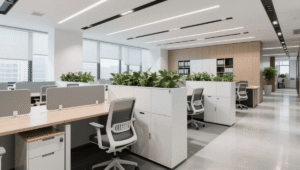
Staff Productivity and Brand Image
Recent surveys indicate that 70% of Australian employees value a modern, well-designed workplace. Therefore, the decision should also consider staff retention and brand image. A high-quality commercial fit out acts as a recruitment tool, signaling a forward-thinking company culture. Conversely, a poorly executed renovation might only provide a temporary aesthetic fix without solving underlying functional issues like poor lighting or bad acoustics.
Evaluating Compliance and Sustainability
In Australia, both fit outs and renovations must adhere to the National Construction Code (NCC). However, a commercial fit out often requires a fresh Certificate of Classification or an Occupancy Permit. This process involves rigorous checks on fire safety, emergency exits, and ventilation systems. Ensuring compliance from day one reduces the risk of legal complications or insurance disputes later.
Sustainability is another area where these two methods diverge in practice. Modern commercial fit out projects frequently aim for “Green Star” ratings by using sustainable materials. This includes low-VOC paints and recycled timber partitions. Renovations contribute to sustainability through the “circular economy” by reusing existing structures. This reduces the carbon footprint associated with manufacturing new building materials.
Energy Efficiency Gains
Energy efficiency data shows that LED lighting upgrades during a commercial fit out can reduce energy consumption by up to 60%. While renovations can include these upgrades, they are often limited by the existing electrical grid of the building. Business owners should consult with a qualified project manager to determine which approach offers the best balance of compliance, sustainability, and cost-effectiveness for their specific location.
Determining the Best Strategy for Your New Workspace
Selecting the right strategy requires a balance of financial capacity and long-term vision. You should first evaluate the “bones” of your current or potential property. If the plumbing, HVAC, and electrical systems are over 15 years old, a commercial fit out might be safer. Replacing everything at once prevents the recurring maintenance headaches common in older, renovated buildings.
You must also consider the “Make Good” obligations in your Australian commercial lease. Many leases require you to return the space to its original condition when you leave. A complex commercial fit out might be expensive to remove later. In such cases, a lighter renovation focusing on modular furniture and cosmetic changes might be more financially sound for a short-term lease of three years or less.
Timeline and Site Audits
Finally, look at your timeline for occupancy. A commercial fit out involves a longer lead time for design, council approvals, and procurement. If you need to be operational within a month, a renovation of a pre-existing office is often the only viable choice. Always seek a detailed site audit before signing a contract to ensure your chosen path is technically feasible and within your budget constraints.
How to Judge the Best Fit Out Solution for Your Business
Determining whether to pursue a full transformation or a refresh depends on your long-term operational goals. If your business model requires specific spatial configurations—such as specialized laboratory zones or high-density collaborative areas—a commercial fit out is essential. This ensures that the environment is built around your workflow rather than forcing your team to adapt to an inefficient layout.
For those looking for high-quality components and professional implementation, visiting the Zunone platform provides insights into modern design standards and functional hardware. A professional site assessment is the most critical step in this judgment process. It allows you to identify if the existing building infrastructure can support your future growth or if a complete overhaul is more cost-effective.
Summary
A commercial fit out builds a functional space from a shell, offering total customization for new tenants. A renovation updates an existing space to improve aesthetics or minor functions. Choosing correctly depends on your lease length, budget, and the structural condition of your Australian property to ensure maximum ROI.
FAQ
1. What is the average cost of a commercial fit out in Australia?
The cost typically ranges from $800 to $1,500 per square metre.
Factors such as material quality, technical requirements, and location within cities like Sydney or Melbourne heavily influence the final price.
2. Do I need council approval for a commercial fit out?
Yes, most projects require a Building Approval (BA) or Development Application (DA).
This ensures the interior changes comply with fire safety, accessibility, and the National Construction Code standards.
3. Can a renovation be more expensive than a fit out?
Yes, if the existing building has structural issues or hazardous materials like asbestos.
Hidden problems in older structures often lead to budget blowouts that exceed the cost of a standard fit out.
4. How long does a typical office fit out take?
Most projects take between 4 and 12 weeks.
This includes the design phase, material procurement, and the actual construction work required to make the space operational.
Reference Sources
Australian Building Codes Board – National Construction Code (NCC)
Property Council of Australia – Office Quality Standards
Standards Australia – AS 1428.1 Design for access and mobility
Green Building Council of Australia – Green Star Rating System