

The modern Perth office is no longer just a place to house desks; it has evolved into a strategic tool for talent attraction and operational efficiency. In the current Western Australian economic climate, business leaders are shifting away from cosmetic upgrades toward high-performance structural refurbishments. This transition reflects a deeper understanding of how physical environments influence productivity and employee retention in a competitive labor market.
Whether you are managing a boutique firm in Subiaco or a multi-floor headquarters in the Perth CBD, the objective remains the same: creating a “destination” office. Employees now require compelling reasons to commute, moving beyond the flexibility of home offices. Consequently, successful refurbishments now prioritize human-centric design, integrated technology, and environmental sustainability.
The Rise of the Hybrid “Hub and Spoke” Layout
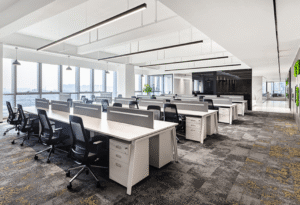
The most significant trend in office refurbishment involves the total reconfiguration of floor plates to support hybrid work models. Traditional fixed-desk environments are being replaced by modular, agile zones that cater to specific tasks rather than specific people.
In many Perth refurbishments, we see a 30% reduction in dedicated individual workstations. This reclaimed square footage is redirected into collaborative “neighborhoods,” high-tech meeting rooms, and “deep work” pods. The “Hub and Spoke” model within the office allows teams to gather for intensive workshops while providing quiet zones for focused administrative tasks.
For a successful transition, project managers must analyze occupancy data before finalizing designs. Implementing sensor-based tracking can reveal which areas of your current office are underutilized. This data-driven approach ensures that the new layout reflects actual usage patterns rather than outdated assumptions about 9-to-5 attendance.
Biophilic Design and Thermal Comfort in the WA Climate
Perth’s unique climate—characterized by intense solar gain and high temperatures—necessitates a specialized approach to biophilic design. It is not merely about adding indoor plants; it is about managing natural light and air quality to improve cognitive function.
Strategic office refurbishment now incorporates high-performance glazing and automated shading systems to mitigate heat while maximizing views of the Swan River or Kings Park. Incorporating natural materials, such as ethically sourced timber and stone, helps ground the high-tech office environment. These elements have been scientifically proven to lower stress levels and reduce heart rates among occupants.
Furthermore, air filtration systems are being upgraded to exceed minimum building codes. In a post-pandemic landscape, “Sick Building Syndrome” is a major commercial risk. High-efficiency particulate air (HEPA) filtration and increased outdoor air exchange rates are now standard requirements for Tier-1 office fit-outs in Western Australia.
Technology Integration: The “Smart” Office Ecosystem
A modern refurbishment must address the “friction” of technology. Commercial spaces in Perth are increasingly adopting Internet of Things (IoT) solutions to streamline the workday. This includes smart lighting that adjusts based on natural daylight levels and desk-booking apps integrated into the office’s digital twin.
| Feature | Impact on Performance | ROI Potential |
| Smart Lighting Controls | Reduces energy consumption by up to 40%. | High (Utility savings) |
| Acoustic Baffling | Increases concentration by reducing noise bleed. | Medium (Productivity) |
| Integrated AV Systems | Enables seamless hybrid conferencing. | High (Operational) |
| IoT Occupancy Sensors | Optimizes HVAC and cleaning schedules. | High (Maintenance) |
Acoustics remain a critical failure point in many open-plan refurbishments. Leading designers now use “sound masking” technology and specialized acoustic ceiling baffles to manage decibel levels. This ensures that a lively collaborative session in one zone does not disrupt focused work in the adjacent neighborhood.
Sustainability and the Circular Economy
Environmental Social Governance (ESG) criteria are driving significant changes in how Perth businesses approach refurbishments. There is a growing movement toward the “circular economy,” where existing furniture and structural elements are repurposed rather than sent to landfills.
Sustainable refurbishments often target specific certifications, such as a high NABERS (National Australian Built Environment Rating System) or Green Star rating. These certifications do more than reduce the carbon footprint; they increase the underlying asset value of the property. For tenants, a sustainable office leads to lower operational costs and a stronger brand reputation among eco-conscious recruits.
Material selection is also under scrutiny. Low-VOC (Volatile Organic Compound) paints, recycled carpet tiles, and FSC-certified timber are no longer optional extras. They are essential components of a healthy, compliant, and future-proofed workplace.
Navigating the Perth Regulatory and Supply Chain Landscape
Executing an office refurbishment in Perth requires a deep understanding of local compliance and supply chain dynamics. The Building Code of Australia (BCA) and the National Construction Code (NCC) set strict standards for fire safety, accessibility, and structural integrity.
Current market conditions in Western Australia have seen fluctuations in material lead times. An experienced project manager will prioritize early procurement for critical items like specialized glass, custom joinery, and HVAC components. Delays in these areas can stall a project, leading to increased “holdover” costs on existing leases.
Furthermore, accessibility (Disability Discrimination Act compliance) is a non-negotiable aspect of any modern refurbishment. This includes ensuring correct door widths, tactile indicators, and DDA-compliant kitchen facilities. Neglecting these requirements during the design phase can lead to costly retrofits and legal liabilities.
Selecting the Right Partner for Office Refurbishment in Perth
When evaluating potential partners for your project, look beyond the aesthetic portfolio. A high-quality refurbishment specialist should provide:
Comprehensive Feasibility Studies: Detailed analysis of your current space versus future needs.
Transparent Cost Modeling: Breaking down capital expenditure (CAPEX) and operational expenditure (OPEX) savings.
Local Sub-contractor Networks: Established relationships with Perth-based trades to ensure quality control.
Compliance Expertise: Proven experience navigating City of Perth or relevant local council approvals.
The goal is to move from a “cost-center” mindset to an “investment” mindset. A well-executed refurbishment revitalizes company culture and serves as a physical manifestation of your brand’s evolution.
FAQ
What is the average cost of an office refurbishment in Perth?
Costs vary significantly based on the level of structural change. A “light” cosmetic refresh may range from $600 to $900 per square meter, while a comprehensive, high-end “Turnkey” fit-out involving structural and technological overhauls can exceed $1,500 to $2,500 per square meter.
How long does a typical Perth office refurbishment take?
For a standard 500sqm office, the design and approval phase usually takes 4–8 weeks. The physical construction phase typically spans 6–10 weeks, depending on material availability and the complexity of the services (electrical, mechanical, plumbing) being upgraded.
Do I need council approval for an internal office refurbishment?
In many cases, internal non-structural changes only require a Building Permit. However, if you are changing the “use” of the space or making significant structural alterations, a Development Application (DA) through the local council may be necessary. Always consult with a certified building surveyor early in the process.
How can we minimize disruption to our operations during a refurbishment?
“Live site” refurbishments are common. This involves staging the project in zones, allowing your team to move to completed areas while work continues elsewhere. Alternatively, many Perth businesses opt for an “after-hours” schedule to ensure zero noise disruption during business hours.
Reference Sources
Green Building Council of Australia (GBCA): Guidelines on Green Star ratings for interiors.
NABERS (National Australian Built Environment Rating System): Energy and water efficiency standards for WA offices.
Australian Institute of Quantity Surveyors (AIQS): Technical guidance on construction cost management in Western Australia.
Property Council of Australia: Insights into Perth commercial office market trends and occupancy data.